How Contemporary Architecture Is Shaping Urban Living in Punjab
Urban Punjab has witnessed a remarkable transformation over the past decade. Cities like Chandigarh, Mohali, Jalandhar, and nearby regions are no longer defined only by functionality; they now reflect thoughtful design, sustainability, and modern lifestyles. This change is largely driven by professionals who understand how architecture can influence the way people live, work, and interact with their surroundings.
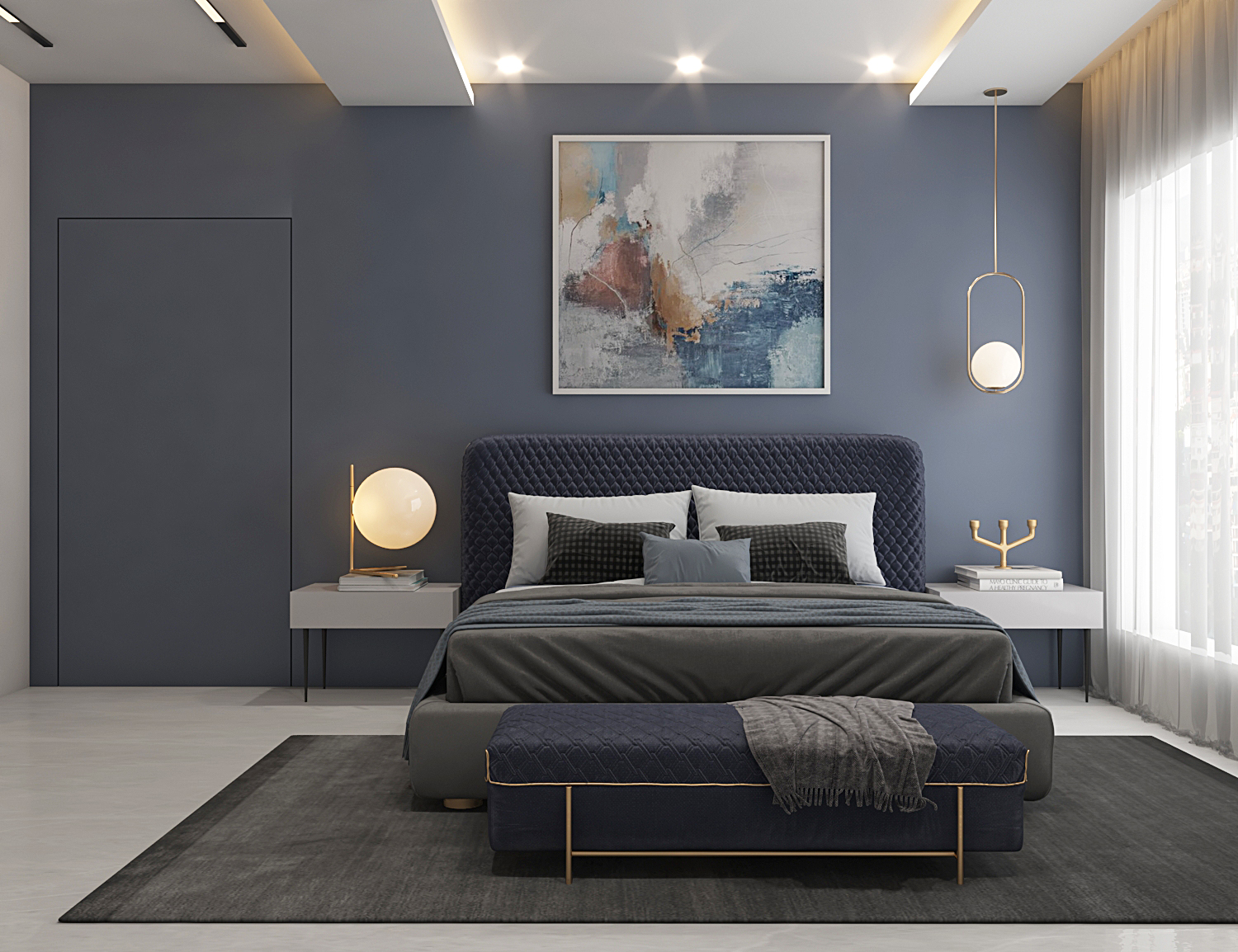
Modern homes and commercial spaces in Punjab are increasingly designed with a people-first approach. Instead of focusing only on structure, architects now emphasize natural light, ventilation, space efficiency, and future adaptability. In planned cities such as Chandigarh and its adjoining areas, design sensibility is evolving beyond the original layouts, blending heritage principles with contemporary needs.
One
noticeable trend is the shift toward climate-responsive design. Punjab’s
extreme summers and cold winters demand buildings that remain comfortable
throughout the year. Designers are incorporating shaded courtyards,
energy-efficient materials, cross-ventilation, and insulated walls to reduce
dependence on artificial cooling and heating. These strategies not only lower
energy bills but also contribute to long-term environmental responsibility.
Residential
design has also become more personalized. Families today want homes that
reflect their lifestyle rather than generic layouts. Open kitchens, flexible
living areas, home offices, and private outdoor spaces are now common requests.
Professionals working across Punjab carefully study the client’s daily routine,
family structure, and future plans before translating them into a functional
layout.
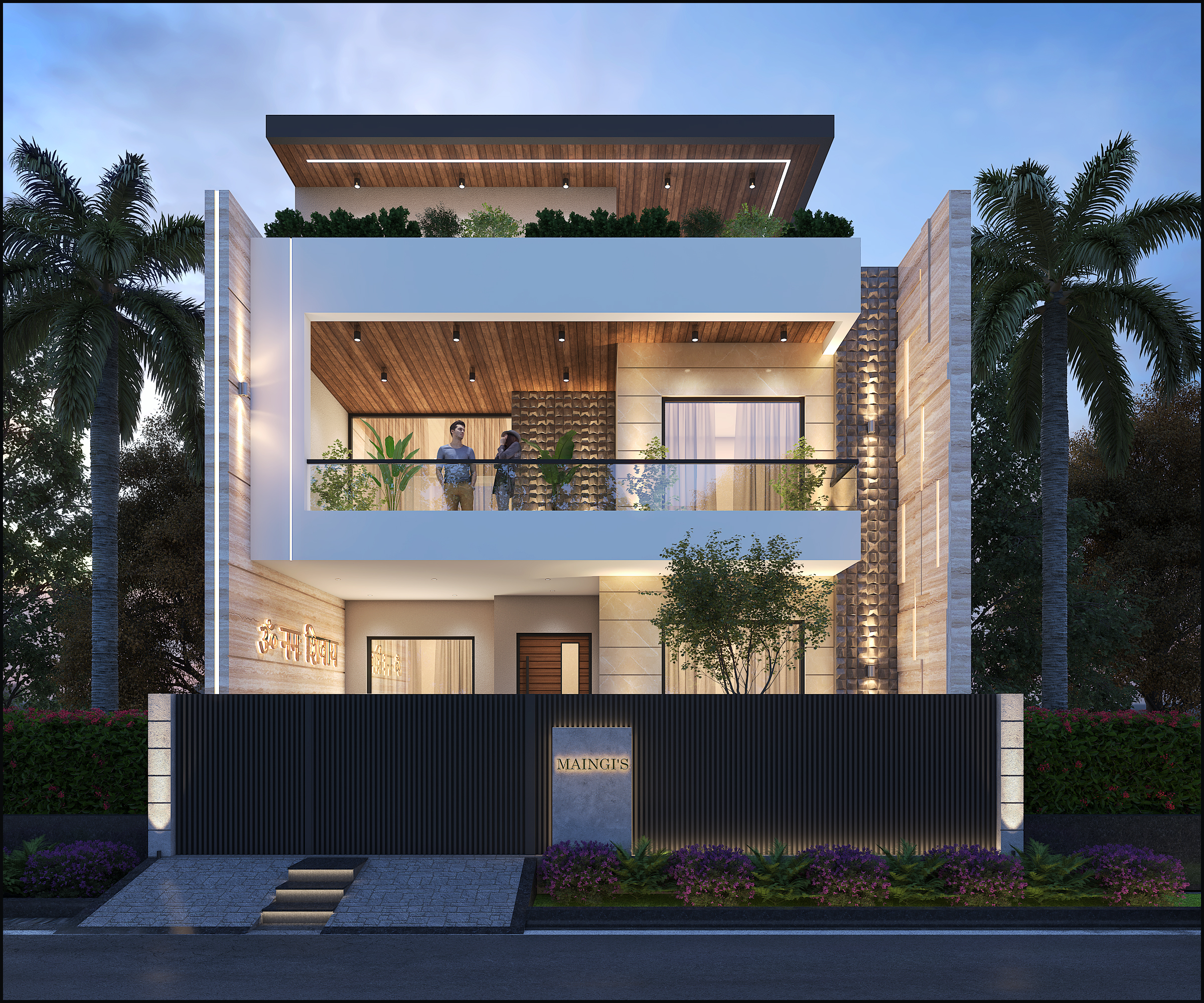
In
growing urban hubs like Mohali, architectural planning often goes hand in hand
with township development. Here, coordination between planners, structural
experts, and execution teams is essential. Well-designed neighborhoods focus on
connectivity, green spaces, and community interaction rather than isolated
buildings.
Technology
has further strengthened the quality of architectural outcomes. From 3D
visualizations to detailed working drawings, clients can now clearly understand
how their project will look and function even before construction begins. This
transparency builds trust and minimizes errors during execution.
Ultimately,
architecture in Punjab is no longer just about building walls and roofs. It is
about creating environments that enhance quality of life, respect cultural
context, and remain relevant for decades. Whether it is a compact urban home or
a large mixed-use project, thoughtful design continues to redefine modern
living across the state.


Comments
Post a Comment